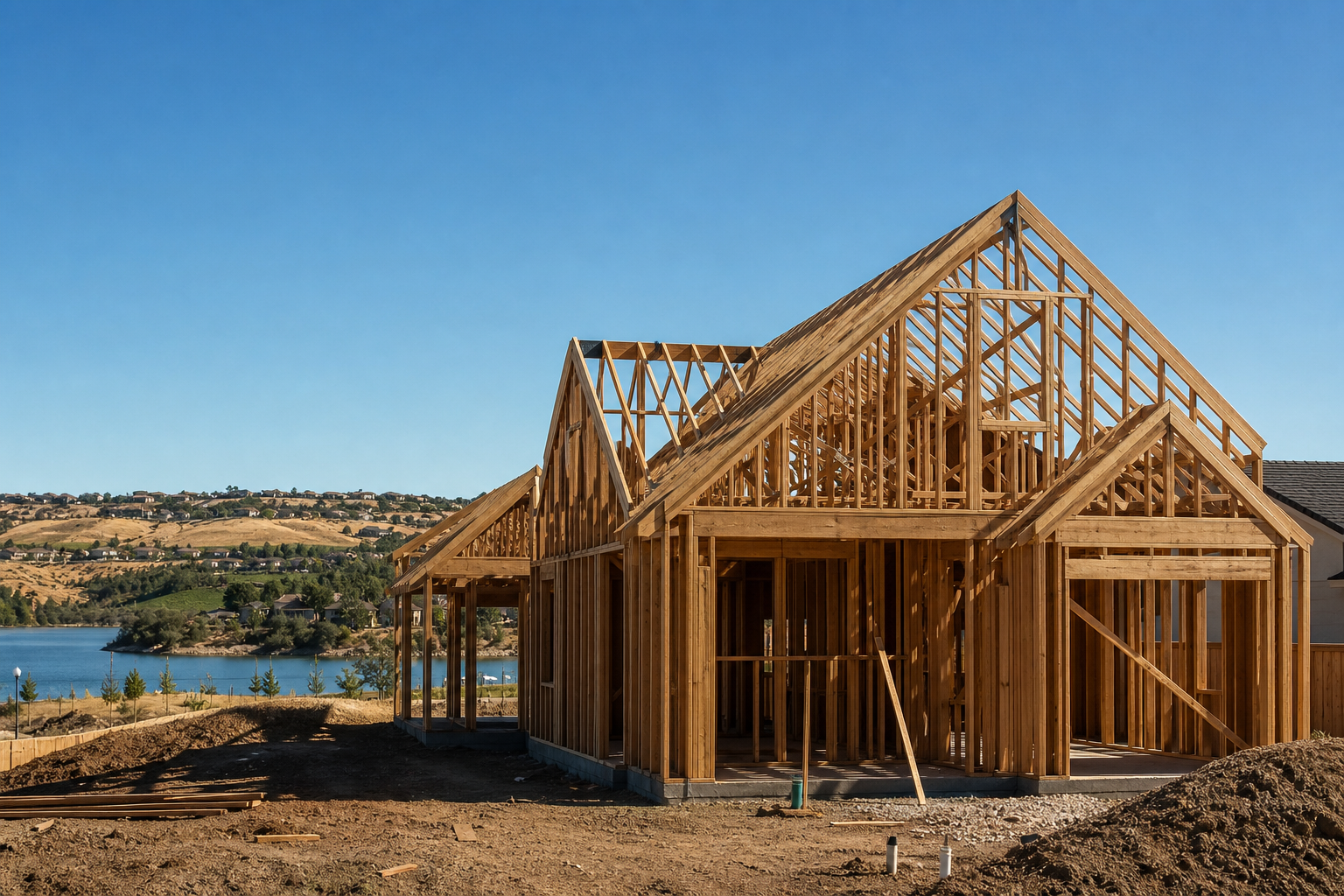
The Sacramento Railyards is a 244-acre urban-infill redevelopment immediately north of downtown with a long-range vision of 6,000–10,000 residential units. Buyers can find genuine opportunity here, but success depends on understanding which amenities are open, which are under construction, and which are still years away.
What real estate opportunities exist for buyers in Sacramento’s Railyards redevelopment?
The Sacramento Railyards is a 244-acre urban-infill redevelopment immediately north of downtown Sacramento, one of the largest projects of its kind in the country. Residential units are already occupied, more are under construction, and a long-range vision calls for 6,000–10,000 homes across the district. The opportunity is real, but so is the complexity: buying here means understanding exactly which amenities exist today, which are still being built, and which are years from opening.
Key Takeaways
The Sacramento Railyards covers 244 acres immediately north of downtown and is described by the City of Sacramento as one of the nation’s largest urban-infill redevelopment projects.
The long-range district vision calls for 6,000–10,000 residential units, a planning target, not a near-term inventory of homes for sale.
Major projects under construction in 2026 include the Kaiser Permanente medical campus (targeted completion 2029), Republic FC stadium infrastructure, and the Historic Central Shops rehabilitation.
More than 44% of housing units already completed in the district are affordable, according to the City of Sacramento.
Buyers should verify each property’s specific development phase, HOA status, parking allocation, and which promised amenities are legally approved and funded before making an offer.
What is actually happening at the Railyards right now?
This is the question I walk every buyer through first, because the Railyards is not a single development, it’s a district with multiple phases, multiple developers, and a construction timeline that will stretch well into the next decade.
Here is what the City of Sacramento reports as underway or recently delivered as of 2026:
Residential housing: Hundreds of units have already been delivered, and the city reports that more than 44% of completed housing units are affordable. New residential construction is continuing.
Kaiser Permanente medical campus: Under construction and targeted for completion in 2029, according to the Sacramento Bee. This will be a significant employment anchor for the district, but it is not an existing amenity today.
Republic FC soccer stadium: Infrastructure work for the planned 20,000-seat stadium was reported as ongoing in July 2026. When operational, it will bring entertainment activity to the district, along with event-day traffic and parking pressure.
Historic Central Shops: Construction on a plaza was underway as of July 2026, with the buildings planned for conversion to restaurants, bars, retail, and entertainment uses. A concert venue and nearby retail are targeted for completion by end of 2027, and a 9,000-square-foot retail pavilion is expected to begin construction in early 2027 and open in early 2028, all subject to approvals and construction schedules.
Roads, utilities, and public infrastructure: The city’s Enhanced Infrastructure Financing District is designed to fund streets, parks, utilities, and transit improvements across the district.
The honest summary: this is an active construction zone with real momentum, not a finished neighborhood. That distinction matters enormously for how you evaluate any specific property.
What is the EIFD and why does it matter to buyers?
The city’s Enhanced Infrastructure Financing District is the funding mechanism behind the public infrastructure, streets, parks, utilities, transit, and public spaces. The city estimates that 20% of future EIFD revenues, after eligible infrastructure and land-acquisition costs are reimbursed, could generate approximately $133 million for affordable housing over the district’s 50-year life. That is a long-range financing projection, not money already available. What it tells you as a buyer is that the public investment framework exists, the infrastructure isn’t being left to chance.
What should buyers actually evaluate before making an offer?
Buying in a redevelopment district is different from buying in an established neighborhood, and the due-diligence list is longer. Here is what I tell buyers to verify before they get emotionally attached to any specific unit or parcel.
Phase and occupancy status
The Railyards has multiple development phases from multiple builders. A property in a completed, occupied building is a fundamentally different purchase from a pre-sale unit in a phase that hasn’t broken ground. Confirm the building’s certificate of occupancy status, the builder’s track record, and whether the unit is ready to close or still on a construction timeline.
HOA structure and what it covers
New-construction communities in active redevelopment districts often carry HOA fees that cover building maintenance, shared amenities, parking, and sometimes special assessments tied to infrastructure. Get the full HOA documents, CC&Rs, financials, reserve study, and read them carefully. I’ve seen buyers surprised by fees they didn’t anticipate because they skimmed the disclosure package. On that note, my post on Why Disclosures Matter in Sacramento Home Sales explains exactly what to look for and why the details in those documents are where deals can go sideways.
Parking and transit access
Urban infill developments frequently have structured parking with assigned spaces rather than traditional garages or driveways. Confirm exactly what parking is included with the unit, what guest parking looks like, and whether you’re close enough to the Sacramento Valley Station or the planned light-rail connections to make transit a practical daily option. Proximity to transit is a genuine value driver here, but distance matters.
Construction exposure over the next several years
Because the medical campus, stadium infrastructure, Central Shops, retail projects, and residential phases were all advancing simultaneously in 2026, according to the city, buyers should expect that views, access routes, noise conditions, and staging areas will change. A view you see today may be a construction crane in 18 months. That’s not necessarily a reason to walk away, but it should factor into your decision.
Future supply and competition
The long-range vision of 6,000–10,000 residential units means the district may add substantial new inventory over time. A property you buy before later phases are built may eventually compete with newer buildings offering updated finishes, better amenities, or lower HOA fees. That’s not unique to the Railyards, it’s true of any emerging district, but it’s worth factoring into your long-term thinking.
Verifying what’s approved vs. what’s proposed
Marketing materials for new developments often present the full vision as if it’s all coming soon. Before you buy, use the City of Sacramento’s planning pages to verify which amenities are legally entitled, which are approved, and which are still in the proposal stage. There’s a real difference between “the park is funded and permitted” and “a park is planned.”
If you want to understand what upfront cash you’ll need to close on a property like this, my post on Cash Needed to Buy a House in the Greater Sacramento Area breaks down the categories buyers typically need to plan for.
How does the Railyards compare to other Greater Sacramento markets?
For context on what buyers are paying across the broader region right now, here is a look at recent market data for several Greater Sacramento areas. These are area-level medians based on recent closed sales, an individual home’s value depends on condition, location within the area, build year, and timing.
AreaMedian Sale PriceMedian Days on MarketRoseville$625,00021Folsom$750,00036El Dorado Hills$920,00042Rancho Cordova$556,00029Citrus Heights$470,00039Orangevale$559,00044Granite Bay$1,250,00051Rocklin$717,50052
Downtown Sacramento and the Railyards district operate in a different market segment from these suburban areas, urban infill, new construction, and walkable density are the value drivers here rather than lot size or suburban school proximity. Your specific price point and lifestyle priorities will determine whether the Railyards or one of these surrounding communities is the better fit. That’s a conversation worth having before you start touring properties.
I’ve spent decades in title and escrow before becoming an agent, and the one thing that experience taught me is this: in a complex transaction, especially one involving new construction, active redevelopment, and multiple phases of development, the details in the documents are where buyers either protect themselves or get caught off guard. Reading the disclosures, the HOA financials, and the entitlement status carefully isn’t optional here. It’s the whole game.
If the Railyards is on your radar, I’d love to walk you through what’s available, what’s coming, and what to watch out for. Schedule a consultation and we’ll figure out whether this district fits your goals, or whether another part of Greater Sacramento makes more sense for you right now.
You’re also welcome to read what past clients have said about working with me on Google and Zillow.
Frequently Asked Questions
What types of homes are currently available in Sacramento’s Railyards?
The Railyards district has delivered residential units in multi-family and mixed-use buildings, with more under construction. Available inventory includes completed units in occupied buildings as well as pre-sale opportunities in phases still under development. Because the district is actively building out, what’s available changes regularly, the best way to see current listings is to work with an agent who tracks the district closely.
Is buying in the Railyards different from buying in the rest of downtown Sacramento?
Yes, in important ways. The Railyards is an active redevelopment zone with phased construction, multiple developers, and infrastructure still being built, which means more due diligence is required than a typical resale purchase in an established downtown neighborhood. You’ll want to verify the specific parcel’s development phase, HOA structure, parking allocation, and which surrounding amenities are actually open versus still planned.
Which Railyards projects are already open, under construction, or still awaiting approval?
As of 2026, hundreds of residential units have been delivered, and the city reports that the Kaiser Permanente medical campus, Republic FC stadium infrastructure, and the Historic Central Shops rehabilitation are all under construction. A concert venue and nearby retail are targeted for late 2027, and a retail pavilion is expected to open in early 2028, both subject to approvals. The City of Sacramento’s planning pages are the right place to verify the current status of any specific project before you rely on it as an existing amenity.
Will the Kaiser Permanente medical campus create more demand for nearby housing?
It’s a reasonable inference, a major medical campus creates stable employment, and workers tend to want to live near where they work. But the campus isn’t scheduled for completion until 2029, so it’s not a factor in the current market. Buyers who are purchasing now should evaluate the property on its existing merits, not on a demand effect that’s still years away and not guaranteed in terms of its impact on values.
What should buyers know about living near a stadium and active construction?
Event days at a 20,000-seat stadium will bring concentrated traffic, noise, and parking pressure to the surrounding streets, that’s a real quality-of-life consideration, not just a future upside story. At the same time, multiple construction projects are running simultaneously in 2026, meaning access routes, views, and noise conditions may shift significantly over the next several years. Go in with clear eyes about both the upside and the day-to-day realities, and make sure your offer reflects what the property is today, not just what the district will eventually become.
About Denise Dooley Bailey
Denise Dooley Bailey is a REALTOR® with REAL Brokerage serving Sacramento and its surrounding counties, drawing on 37+ years in the real estate industry, including decades as a title and escrow officer inside a Fortune 100 title company, to guide buyers and sellers through every step of the transaction. She also holds a REMLO license with Texana Bank, so she can advise on financing for both sides of the deal.
Contact Denise Dooley Bailey at REAL Brokerage · call or text 916-899-3123
Equal Housing Opportunity. Denise Dooley Bailey, CA DRE license #02195521, REAL Brokerage, regulated by the California Department of Real Estate. Mortgage loan origination services provided through Texana Bank · NMLS #2697905. This article is general information only and is not legal, tax, or financial advice, confirm your specific numbers and transaction details with your title company, tax advisor, or lender.