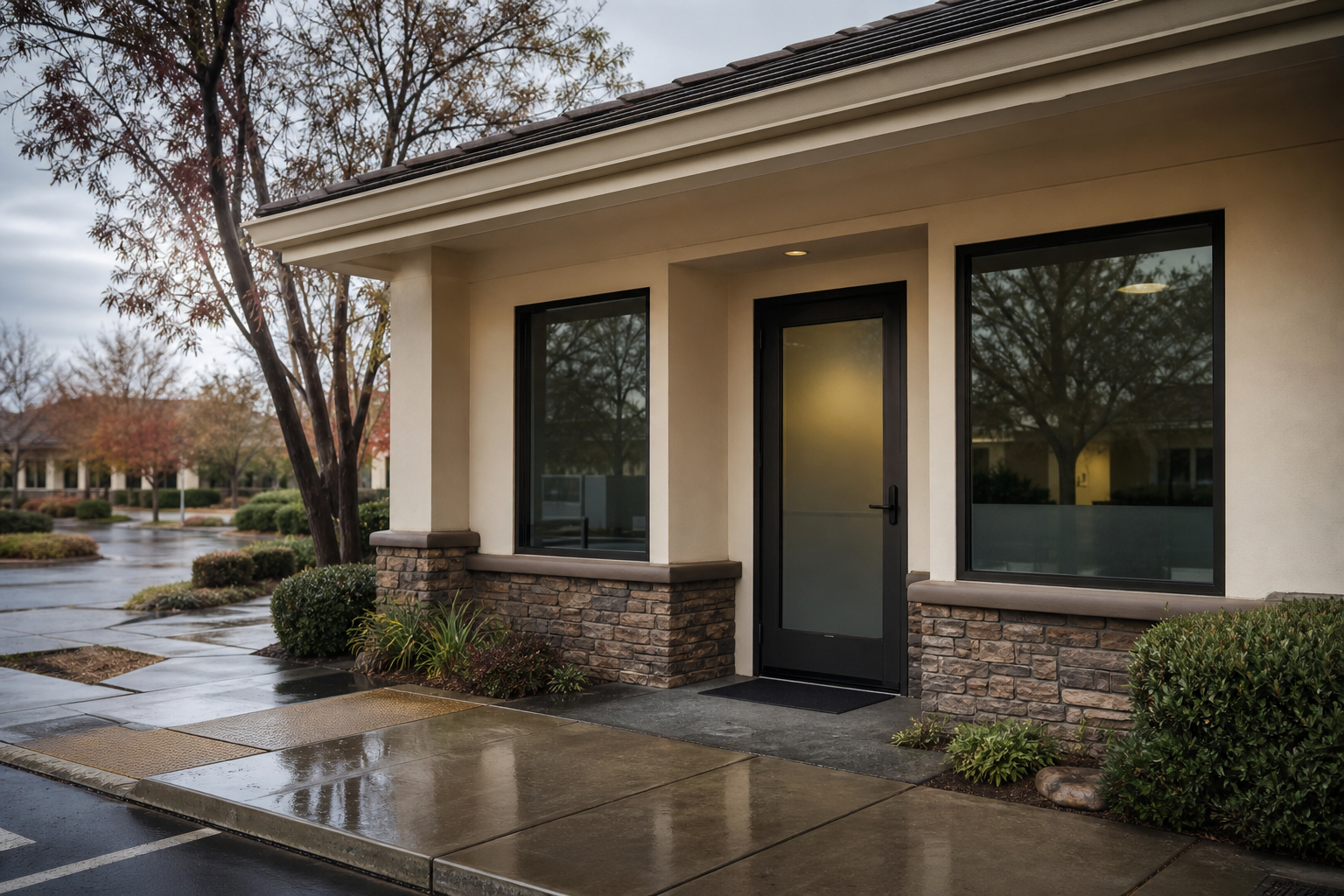
Spotting problems in Roseville real estate before they threaten your deal means reviewing disclosures early, verifying flood-zone status, confirming permit history on additions, and alerting your title company and lender the moment something looks off, not after you’re already in escrow.
Roseville Real Estate Before Issues Threaten Your Deal
What are the most common pitfalls in Roseville real estate before closing?
The most common threats to a Roseville Area transaction are late or incomplete disclosures, unverified flood-zone status, unpermitted additions or remodels, and title defects that surface during escrow. Catching any of these early, before you’re deep into the contract, gives you options. Waiting until they surface on their own usually means pressure, renegotiation, or a deal that falls apart.
Key Takeaways
Roseville homes are selling at a median of $610,000 with a median of just 19 days on market, which means problems discovered late leave almost no room to recover.
Roseville contains three types of floodplains, each with different development regulations, flood-zone status must be verified by address, not assumed from a listing description.
California law requires the Transfer Disclosure Statement to be delivered to a buyer as soon as practicable and before transfer of title, but late delivery still happens and it can force a delay or renegotiation.
Unpermitted additions are one of the most common issues I see in Roseville transactions, they can affect appraisal value, financing, and insurability.
Title defects and undisclosed liens are the category most likely to catch buyers off guard; your title company is your first line of defense, not an afterthought.
Why does timing matter so much in Roseville Area?
Roseville moves fast. Recent local market data puts the median sale price at $610,000 and the median days on market at just 19. With 271 new listings hitting the market in the last 30 days and 692 homes sold in roughly the same period, this is a market where buyers and sellers both feel the clock.
That pace is exactly why spotting problems in Roseville real estate before they become deal-killers matters so much. When a transaction is moving quickly, issues that might have been manageable with two weeks of lead time become emergencies when they surface three days before closing.
I’ve worked in title, escrow, and real estate for over 37 years. The deals I’ve watched fall apart almost always had a warning sign that nobody caught early enough, a disclosure delivered too late to act on, a flood-zone flag that surprised the lender, a room addition the seller didn’t think to mention because it “had always been there.” The good news is that most of these problems are preventable when you know what to look for and when.
How does Roseville compare to nearby markets?
Context matters when you’re deciding how much due-diligence time to build into your offer. Here’s how Roseville stacks up against other Greater Sacramento Area markets in recent data:
Roseville: The median sale price is $610,000, with homes spending a median of 19 days on the market.
Folsom: The median sale price is $756,500, with homes spending a median of 35 days on the market.
El Dorado Hills: The median sale price is $898,000, with homes spending a median of 44 days on the market.
Rancho Cordova: The median sale price is $560,000, with homes spending a median of 26 days on the market.
Citrus Heights: The median sale price is $474,000, with homes spending a median of 48 days on the market.
Orangevale: The median sale price is $550,000, with homes spending a median of 47 days on the market.
Granite Bay: The median sale price is $1,230,000, with homes spending a median of 56 days on the market.
Rocklin: The median sale price is $720,000, with homes spending a median of 48 days on the market.
Roseville’s 19-day median is the shortest in this group. That’s not a reason to skip due diligence, it’s a reason to start it immediately after your offer is accepted, not after the inspection report arrives.
What are the specific issues most likely to threaten a Roseville deal?
Disclosures delivered late or reviewed too quickly
California requires the Transfer Disclosure Statement (TDS) to be delivered to a buyer as soon as practicable and before transfer of title. It applies to residential properties of one to four dwelling units, and it covers conditions the seller knows about and information discoverable through a reasonably diligent inspection, according to the California Department of Real Estate’s reference material.
In practice, late delivery still happens. And when it does, buyers either rush through a stack of documents they should have had days earlier, or they need to pause the transaction to actually read them. Neither outcome is good.
My advice: don’t treat disclosures as paperwork to sign and move past. They are the seller’s written record of what they know about the property. Read every line. If something doesn’t match what you saw during the showing, that discrepancy deserves a direct question before you proceed. I walk my clients through the disclosure package specifically because this is where deals fall apart, and where they don’t have to. For a deeper look at how disclosure issues play out in Sacramento-area transactions, see Why Disclosures Matter in Greater Sacramento Area Home Sales.
Flood-zone status that surprises the lender
Roseville contains three types of floodplains, each with different development regulations and mapping, according to the City of Roseville’s Flood Zone Information page. Flood-zone status is address-specific, you cannot determine it from a listing description or a neighborhood assumption.
Why does this matter to your deal? If a property is in a Special Flood Hazard Area, your lender will require flood insurance as a condition of the loan. That adds a cost the buyer may not have budgeted for, and it can affect the appraisal analysis as well. Finding this out after the appraisal is ordered is far worse than finding it out before you write the offer.
The practical steps: check the property address in FEMA’s Flood Map Service Center, then compare the result with Roseville’s property-information and floodplain tools. For properties near waterways or in areas where mapping is unclear, Placer County’s Floodplain Manager can provide formal flood-zone information, more reliable than a screenshot of a map. Do this before you’re in escrow, not during it.
Unpermitted work and additions
This is one of the most common issues I see in Roseville transactions. A seller finishes a garage, adds a bedroom, or converts a sunroom, and either doesn’t pull permits or doesn’t know the work was never finaled. The square footage shows up on the listing, the buyer assumes it’s all legitimate, and then the appraiser or the lender flags it.
Unpermitted work can affect appraised value (the appraiser may exclude it from the calculation), financing (some loan types require that unpermitted space be legalized or excluded), and insurability. It can also become a negotiating issue when the buyer discovers it and the seller wasn’t expecting to address it.
The fix is simple: verify permit history for any addition, conversion, or remodel you can see. Roseville’s building permit records are accessible through the city. If a room or structure doesn’t appear in the permit history, that’s a question for the seller and potentially for a contractor who can tell you what it would cost to bring it into compliance.
Title defects and undisclosed liens
Most buyers don’t think about title until the title company sends them a preliminary report. That’s too late to be surprised. A title search can reveal unpaid liens, judgment creditors, easements that restrict how the property can be used, or ownership discrepancies that require legal resolution before the property can transfer cleanly.
None of these are automatic deal-killers, but they can take time to resolve. An undisclosed mechanic’s lien from a contractor who worked on the property, for example, has to be paid off or formally disputed before the title company can insure the transaction. In a 19-day median market, you don’t have weeks to sort that out after the fact.
Your title company is your protection here, but only if you’re paying attention to what the preliminary report says. I review these preliminary reports with my clients specifically because the language can be dense and the implications aren’t rarely obvious at first read. For more on how the title and escrow process works locally, Essential Tips for Greater Sacramento Area Homebuyers on Title and Escrow covers the key steps.
Appraisal gaps
When a property appraises below the agreed purchase price, the deal doesn’t automatically fall apart, but it does create a decision point. The buyer can make up the difference in cash, the seller can reduce the price, or the parties can meet somewhere in the middle. What determines which of those options is realistic is how the contract was written and what contingencies are in place.
In a competitive market, some buyers waive appraisal contingencies to make their offer more attractive. That’s a real risk, and it’s one worth discussing before you write the offer rather than after the appraisal comes back short. Your specific situation, how much cash you have available, how competitive the offer needs to be, what the property’s condition suggests about value, determines what makes sense. That’s a conversation worth having with someone who knows this market.
What should sellers in Roseville do before listing?
The same issues that catch buyers off guard are the ones that put sellers in a defensive position mid-transaction. Getting ahead of them before you list is almost always less expensive and less stressful than addressing them under contract pressure.
A pre-listing review should cover:
Disclosure preparation. Document everything you know about the property’s condition, repairs, and history. Surprises that surface during the buyer’s inspection, but weren’t disclosed, create renegotiation leverage for the buyer at the worst possible moment.
Permit verification. If you added a room, finished a garage, or had any work done that might require a permit, pull the records now. Knowing what’s permitted and what isn’t lets you price accordingly and disclose accurately.
Flood-zone awareness. Know your property’s flood-zone status before a buyer’s lender discovers it and makes it a transaction issue.
Title review. If there’s any chance of an old lien, a judgment, or an ownership question in the chain of title, your title company can flag it early so it doesn’t surface at closing.
Preparation before listing isn’t just about protecting the deal. It’s about pricing accurately. A home with known, disclosed, and addressed issues is a stronger listing than one where the buyer is left to wonder what else might be hiding.
If you’d like to read what other buyers and sellers have said about working with me, I’d appreciate you taking a look at my reviews on Google or Zillow.
Frequently Asked Questions
What should I check first after my Roseville offer is accepted?
Order your inspections immediately and review the disclosure package the same day you receive it. In Roseville’s fast-moving market, waiting even a few days to start either one compresses the time you have to ask questions, request repairs, or walk away if something serious turns up.
How can I find out whether a Roseville home is in a flood zone?
Start with FEMA’s Flood Map Service Center using the property address, then cross-reference with the City of Roseville’s floodplain tools. For properties near waterways or where the mapping is ambiguous, a formal flood-zone information request through Placer County’s Floodplain Manager gives you a more reliable answer than a listing description or an informal map screenshot.
What happens if the seller gives me disclosures late?
California law requires the Transfer Disclosure Statement to be delivered before transfer of title, but late delivery does happen. If disclosures arrive late, you need time to actually read them, not just sign them. A late disclosure can create grounds to pause the transaction, request clarification, or seek additional investigation depending on what it reveals and where you are in the contract timeline.
How do I verify that a Roseville remodel or addition was permitted?
Permit history for Roseville properties is accessible through the city’s building department records. Look for any addition, garage conversion, room finish, or structural change that’s visible in the home and confirm it appears in the permit history as both issued and finaled. If it doesn’t, that’s a disclosure and valuation question that needs to be resolved before closing.
Can title problems or liens derail a Roseville home purchase?
They can delay a purchase significantly, though most title issues are resolvable with enough time. Unpaid liens, judgment creditors, or ownership discrepancies in the chain of title all have to be cleared before a title company can insure the transaction. The key is catching them early in the process, not the week before closing, so there’s time to address them without losing the deal.
Catching problems in Roseville real estate before they threaten your deal is about preparation and timing, not luck. Whether you’re buying or selling, the earlier you surface an issue, the more options you have. If you’d like a personalized review of what to watch for in your specific transaction, I’m glad to walk you through it. Schedule a consultation or request a free home evaluation and let’s look at your situation together.
About Denise Dooley Bailey
Denise Dooley Bailey is a REALTOR® with REAL Brokerage serving Sacramento and its surrounding counties, drawing on 37+ years in the real estate industry, including decades as a title and escrow officer inside a Fortune 100 title company, to guide buyers and sellers through every step of the transaction. She also holds a REMLO license with Texana Bank, so she can advise on financing for both sides of the deal.
Contact Denise at REAL Brokerage · Call or Text: 916-899-3123
Equal Housing Opportunity. Denise Dooley Bailey, CA DRE license #02195521, regulated by the California Department of Real Estate. Mortgage loan origination services provided through Texana Bank · NMLS #2697905. This article is general information only and is not legal, tax, or financial advice. Confirm your specific numbers and circumstances with your title company, tax advisor, or lender.